Vibe coding built a$200K SaaS.
BridgeMind shipped a real SaaS — agents on the code, a human on every diff, zero lines typed by hand. This isn't a testimonial. It's a Stripe dashboard.
- MRR
- $17.7K
- subscribers
- 630
- gross volume
- $63.3K
- hand-written lines
- 0
MRR
subscribers
gross volume
hand-written lines
BridgeMind case study video
Featured case study
See certificationsThe receipts
Proof, straight from Stripe.No projections. No vanity metrics.
Every number below is a live figure from BridgeMind's Stripe account, measured against the prior period.
Monthly recurring revenue
+858.50%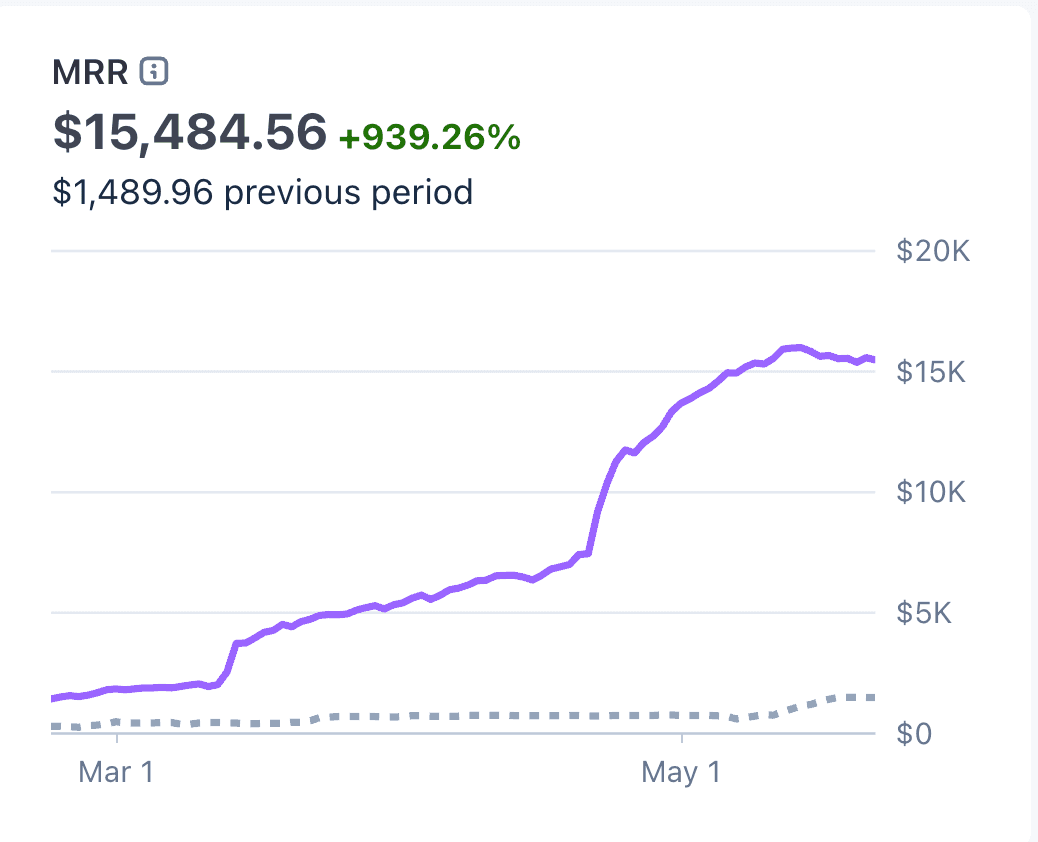
Active subscribers
+607.87%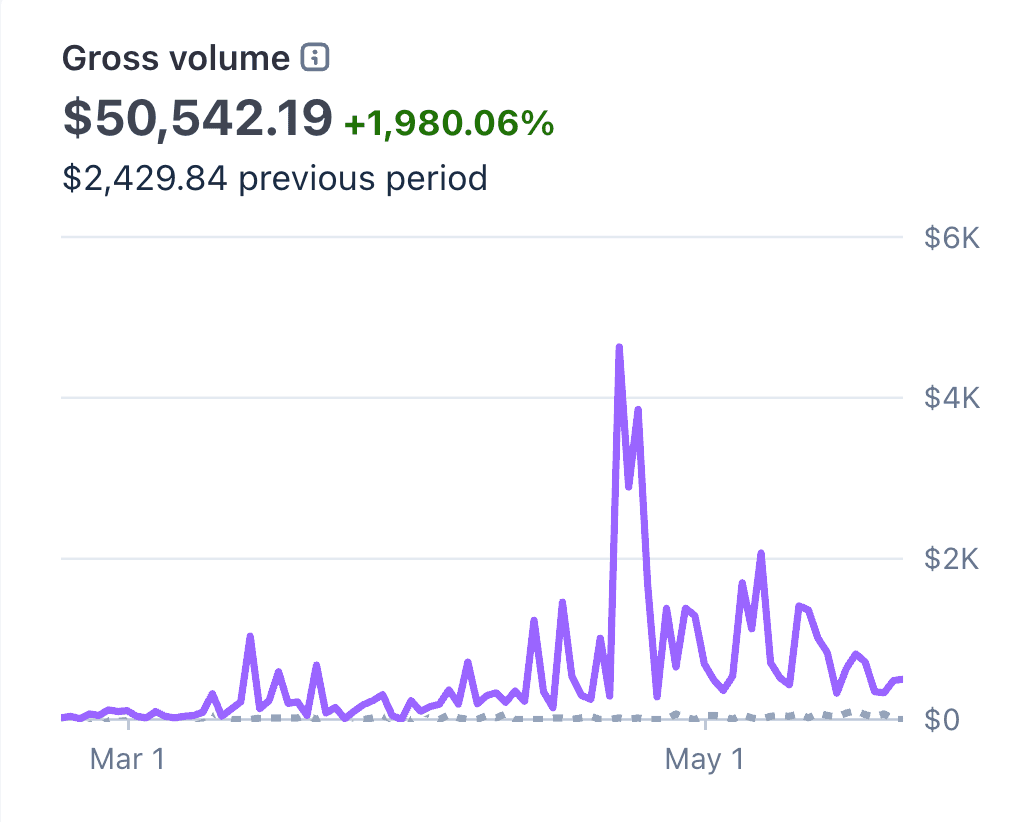
Gross volume
+2,084.55%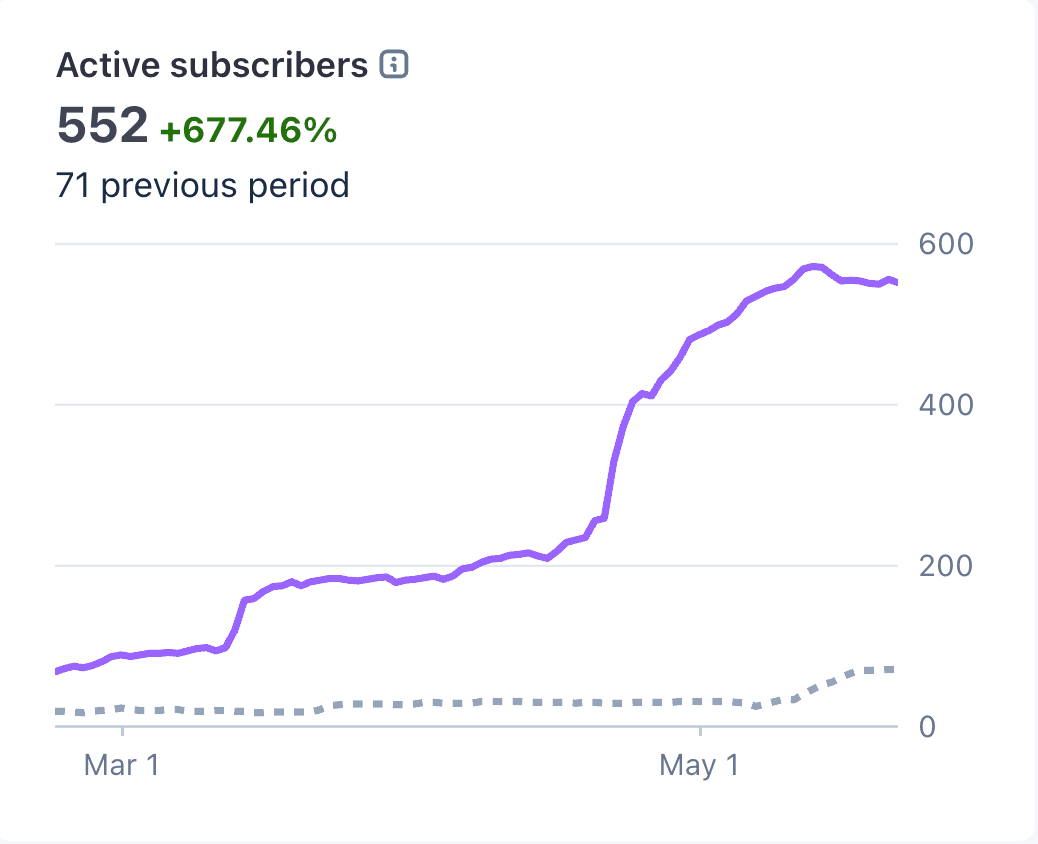
Annual recurring revenue
$0K
Recurring SaaS revenue, earned by a product paying customers use — not a demo.
Code typed by hand
0 lines
The team wrote specs and defended diffs. Agents wrote the implementation, start to finish.
The bet
Most teams talk about AI.BridgeMind shipped it.
The claim was simple and easy to doubt: a real business, built without anyone typing the code. Here is how it held up.
The product
A SaaS, not a side project.
BridgeMind runs a live product with onboarding, billing, and support — a codebase that pays rent. Customers renew every month.
The standard
Speed, without the slop.
Letting agents merge unread is how vibe coding gets a bad name. BridgeMind held the line: review-before-merge on every diff. You're still on the hook for what ships.
The operating model
One loop, from spec to revenue.Run it once, run it a thousand times.
Every feature BridgeMind shipped ran the same four moves. The discipline, not the tool, is what compounds.
Step 01
Spec it
Describe the feature, the flow, and the edge cases in plain English. Specs in.
Step 02
Agents build
Codex, Claude, and Cursor write the implementation end to end. No line typed by hand.
Step 03
Defend the diff
A human reads, tests, and signs off on every change. Review-before-merge, no exceptions.
Step 04
Ship to customers
Only reviewed work reaches the live SaaS. Diffs out, revenue verified.
In production
What shipping actually looked like.Agents in parallel, a human at the wheel.
The real workspaces behind the number: Codex and Claude running side by side while the team reviewed and merged.
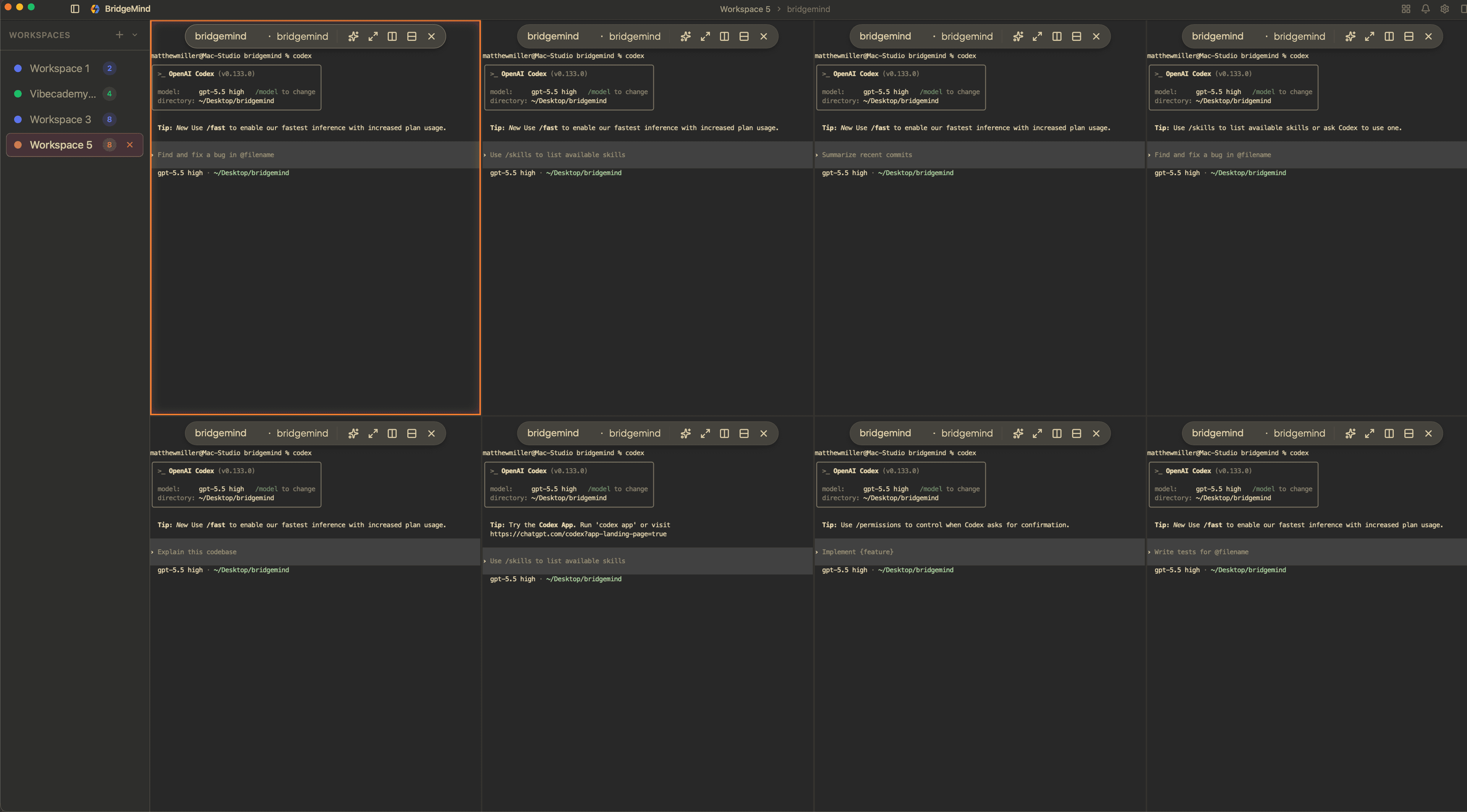
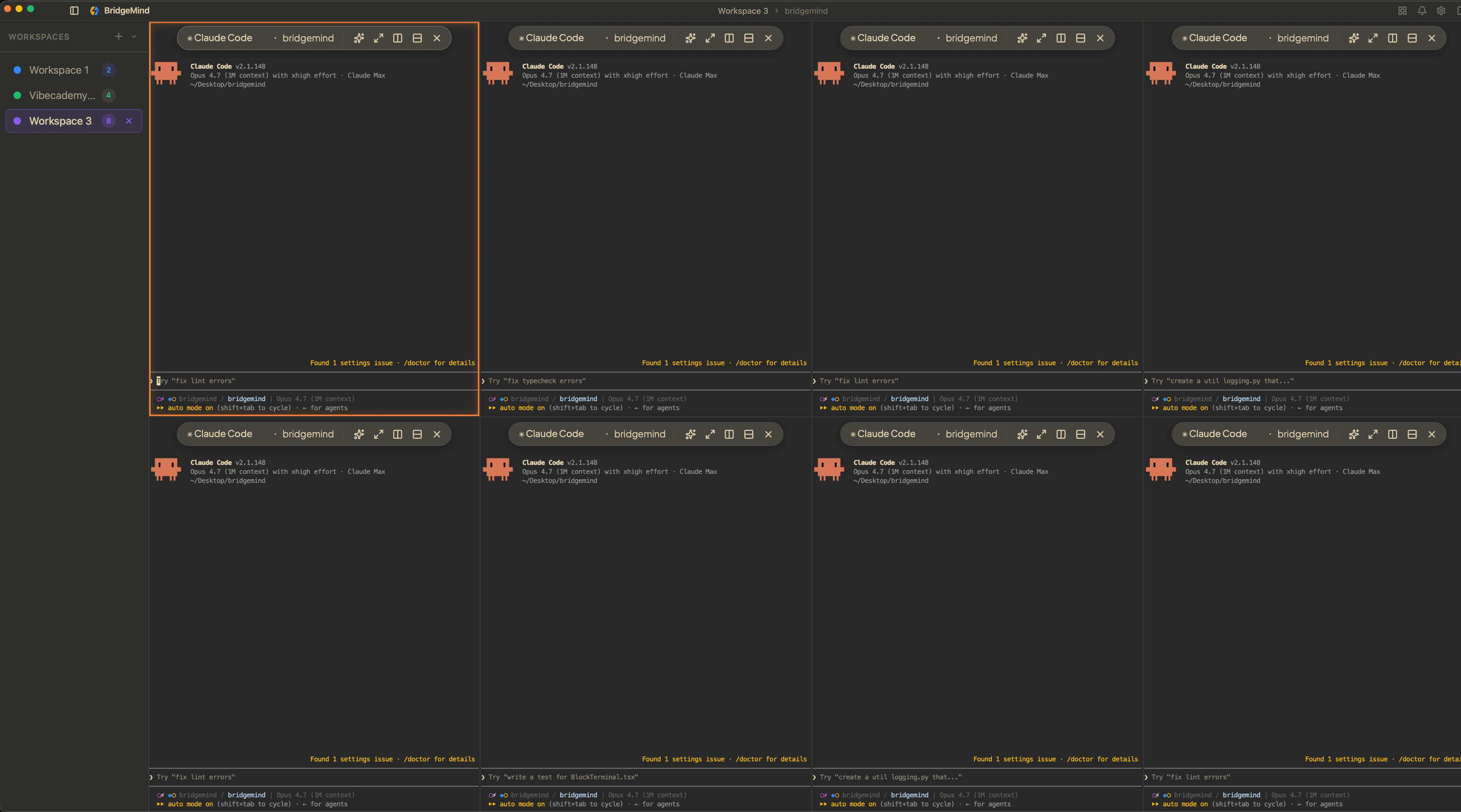
Claude Code · Workspace grid
Parallel agents in one workspace
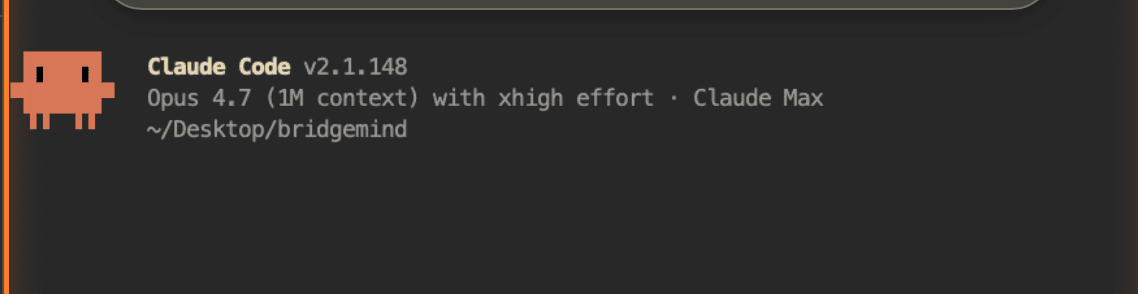
Claude Code · Agent panel
Long-context terminal work
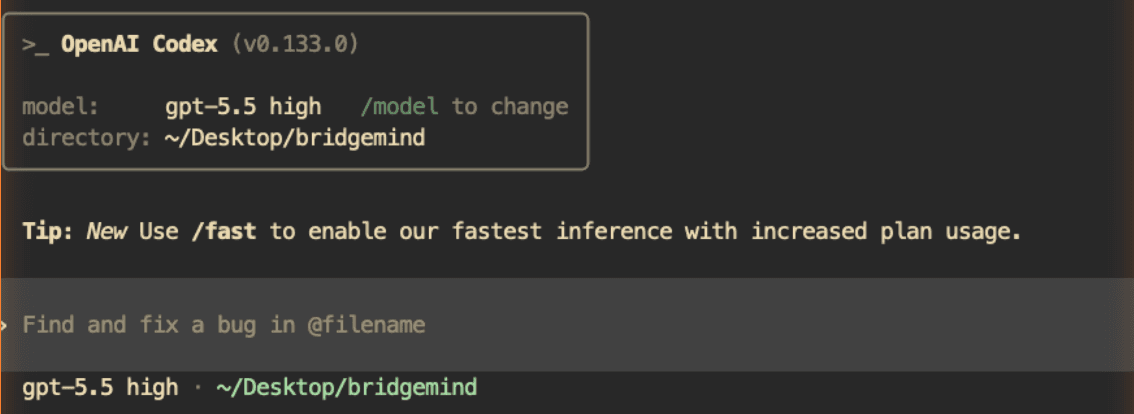
Codex · Agent panel
Spec-driven command loop
Codex · Workspace grid
Many agents, one operating loop
On tape
Watch the loop run.The original build, unedited.
Specs in, agents on the code, a human reviewing each diff — the work behind the receipts, recorded in full.
BridgeMind build video
Starts at 00:15
Watch on YouTubeWhat it proves
Vibe coding ships real businesses.BridgeMind is the receipt.
The takeaway isn't that agents are fast. It's that disciplined operators can turn that speed into revenue that survives review.
BridgeMind documents the agentic workflows behind this build at www.bridgemind.ai. Vibecademy certifies the operating model that makes it repeatable.
Revenue compounded
$17,731.86 MRR across 630 paying subscribers, on a $63,348.32 gross-volume run — about $200K ARR and climbing.
The human stayed on the hook
Agents wrote the code; a person owned every merge. Diff discipline kept velocity from becoming liability.
The loop held at scale
The same spec-build-defend-ship loop ran from first commit to real revenue. The operating model is the product.
This isn't a testimonial. It's a Stripe dashboard: a $200K SaaS, zero hand-written code.
— BridgeMind founding team
Run the same loop
Get certified on the loop BridgeMind ran.
Specs in. Diffs out. Run the agents, defend every diff in review, and ship work you can explain, test, and roll back.